Pranayama is the branch of yoga concerned with breath. The word is usually translated as breath control or breath extension, and the tradition behind it runs back several thousand years — long before anyone was measuring heart-rate variability and finding that some of it holds up.
You do not need to adopt any of the philosophy to use the techniques. Equally, you should know that the serious end of this practice involves long breath retentions that genuinely warrant a teacher. Everything below is from the gentle end.
Before you start
Sit upright — a chair is entirely fine, nobody is grading your lotus. Breathe through the nose unless a practice says otherwise. Stop if you feel dizzy. And do these on a reasonably empty stomach, which is the one piece of traditional advice that has an obvious mechanical reason behind it: a full stomach crowds the diaphragm.
1. Dirga pranayama — the three-part breath
Fill in three stages: first the belly, then the ribs, then the upper chest. Release in reverse order. Six to ten rounds.
This is the gateway practice, and it is essentially diaphragmatic breathing with a map attached. The staging teaches you to feel the separate regions of your own breath, which most people have never deliberately done.
2. Sama vritti — equal breathing
In for four, out for four. Nothing else. Keep it going for two to five minutes.
The simplicity is the point. With no counting puzzle to solve, attention has somewhere plain to rest. Start here if structured practices feel fussy to you.
3. Visama vritti — the extended exhale
In for four, out for six or eight. This is the single most transferable technique in the whole tradition, and it is the one that turns up in clinical settings under other names.
If you want one practice for difficult moments, this is it. It is invisible — nobody in the room will notice you doing it.
4. Nadi shodhana — alternate-nostril breathing
- Right thumb closes the right nostril. Breathe in through the left.
- Ring finger closes the left, thumb releases the right. Breathe out through the right.
- Breathe in through the right.
- Close the right, release the left. Breathe out through the left. That is one round.
Five to ten rounds. The traditional claim is that it balances the two sides of the nervous system. Whether or not that framing appeals to you, the practice demands enough attention that it reliably interrupts whatever you were ruminating about, which may be the more honest account of why it works.
5. Bhramari — the humming breath
Breathe in through the nose, then hum steadily all the way out, lips closed. Five or six rounds.
It feels faintly ridiculous the first time and most people stop caring by round three. The humming extends the exhale automatically and produces a vibration people find unexpectedly settling.
How much, how often
Five to ten minutes daily beats an hour on Sunday. Pick one practice and stay with it for a fortnight before adding another — collecting techniques is a way of avoiding the practice.
What it is honest to expect
Most people report feeling calmer and more settled, which is a perfectly good reason to do something. The research literature is genuinely interesting in places and genuinely thin in others, and you should treat grand claims about pranayama curing specific diseases with the same scepticism you would apply anywhere else.
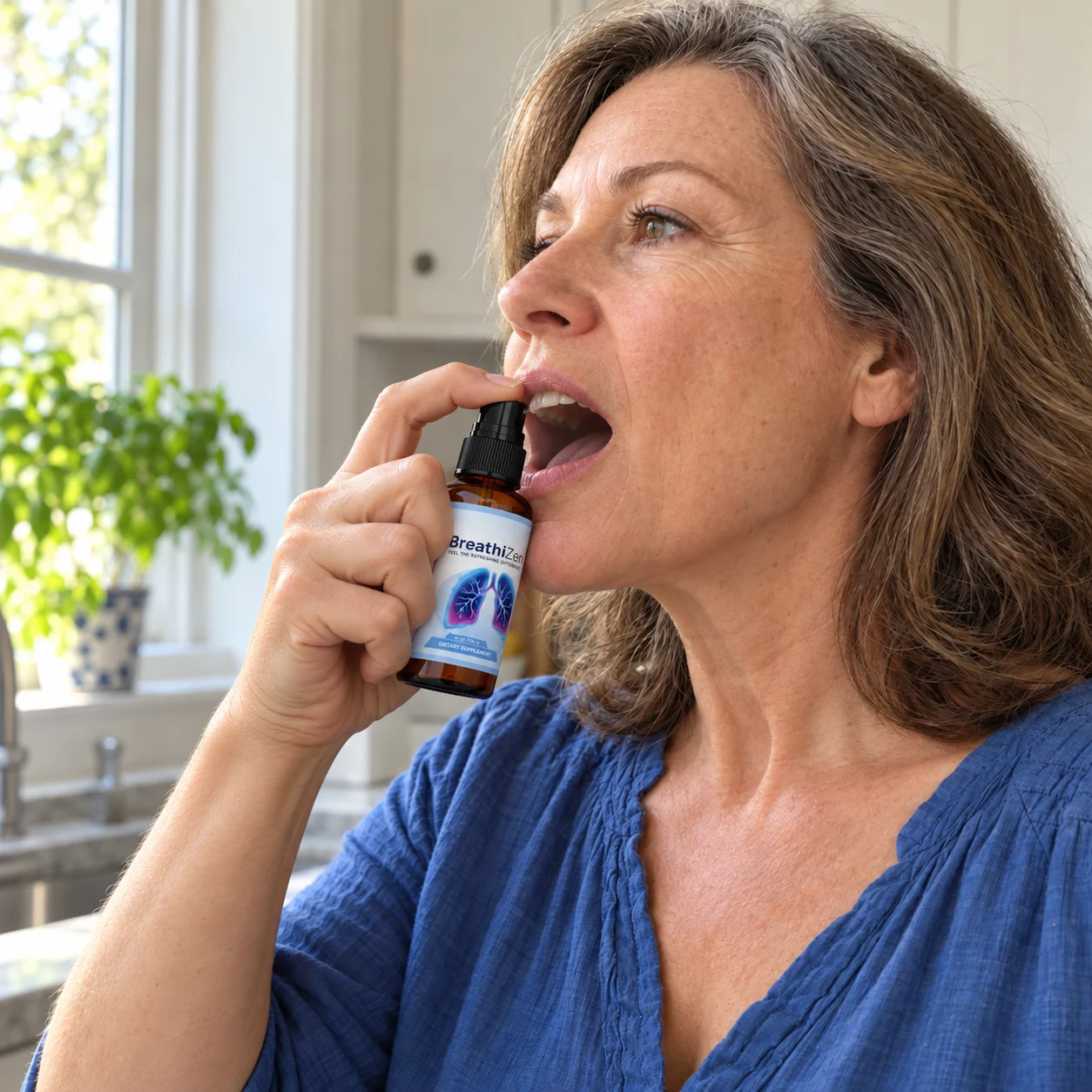
Three Botanicals, Once a Day
Packages from $49 a bottle, every one with the same 60-day guarantee.
See Package PricingThese statements have not been evaluated by the Food and Drug Administration. BreathiZen® is a dietary supplement and is not intended to diagnose, treat, cure or prevent any disease. Breathing techniques described here are general wellness practices, not medical treatment. Prices, shipping and guarantee terms are set by the official retailer and confirmed at checkout. Speak to your doctor before starting any supplement.
← Back to all articles