Mullein turns up in practically every respiratory supplement on the market, usually accompanied by a confident claim and no citation. Here is what can actually be said about it.
What it is
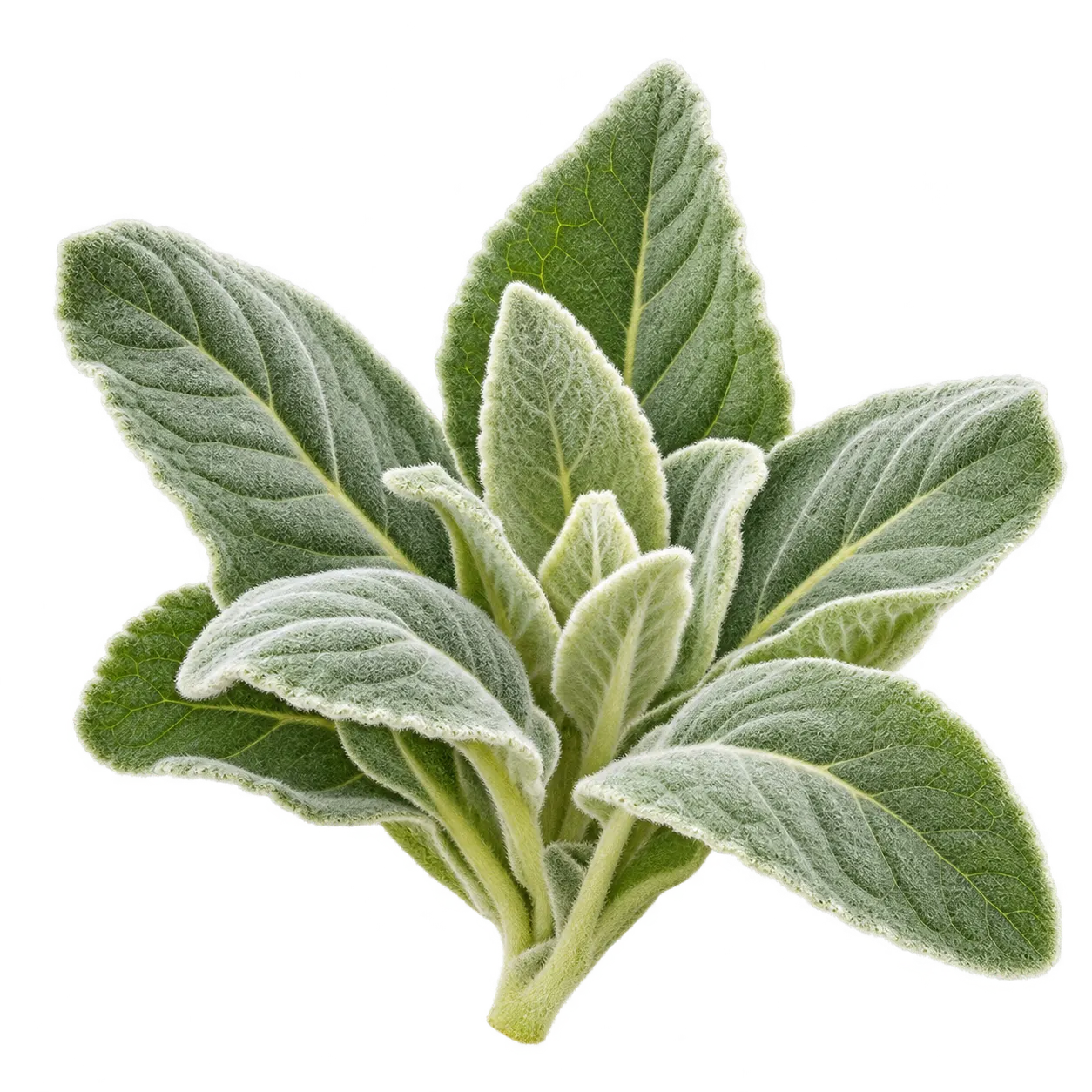
Verbascum thapsus — a tall biennial with soft, felted leaves, growing on roadsides and waste ground across Europe, Asia, North Africa and, by introduction, North America. Unremarkable to look at and historically very widely used.
The tradition is genuinely striking
European herbalism, Turkish folk medicine and several Native American traditions each arrived at mullein for complaints of the chest and throat, independently of one another. Convergence of that kind across unconnected cultures is a reasonable signal that people noticed something worth noticing.
It is a signal. It is not evidence of efficacy, and the history of medicine is full of practices that were universal and useless.
What is in the leaf
Chemical analysis turns up a fairly consistent cast: saponins, verbascoside (a phenylethanoid glycoside), flavonoids of which quercetin is the familiar one, and iridoid glycosides such as aucubin. In cell and animal work, several of these behave as antioxidants and dampen inflammatory signalling.
The saponins are usually credited for mullein's traditional billing as an expectorant — saponins can thin secretions, which is at least a plausible mechanism rather than a vague one.
How to read a seller's claims
If a product page calls mullein "clinically proven" for lung health, ask which trial. There is none to name. That single question separates companies willing to tell you what they do not know from companies hoping you will not ask.
A fair description reads something like: traditionally used, interesting chemistry, unproven in humans. If a label cannot say that, the label is overselling.
Preparations
Tea is the traditional form and requires careful straining, because the leaf hairs irritate the throat on the way down. Tinctures and capsules sidestep that. A liquid extract in a spray avoids it too and gives a consistent measured amount, which tea by its nature cannot.
One preparation to rule out, however venerable the custom: smoking the leaf. Pulling the products of combustion down into your airways undoes the entire point of the exercise.
Safety
Healthy adults generally tolerate it well, with allergic reaction the main documented risk as with any plant. Evidence in pregnancy and breastfeeding is thin enough that the standing advice is to avoid it in both. If you take regular medication, a pharmacist can check for interactions in about the time it takes to read the label.
A verdict you can act on
Mullein is a reasonable ingredient in a respiratory formula on the strength of tradition and chemistry, and it is not a proven one. Buy it from a company that says so. Treat the ones making clinical claims as having told you something useful about themselves.
Three Botanicals, Once a Day
Packages from $49 a bottle, every one with the same 60-day guarantee.
See Package PricingThese statements have not been evaluated by the Food and Drug Administration. BreathiZen® is a dietary supplement and is not intended to diagnose, treat, cure or prevent any disease. Breathing techniques described here are general wellness practices, not medical treatment. Prices, shipping and guarantee terms are set by the official retailer and confirmed at checkout. Speak to your doctor before starting any supplement.
← Back to all articles